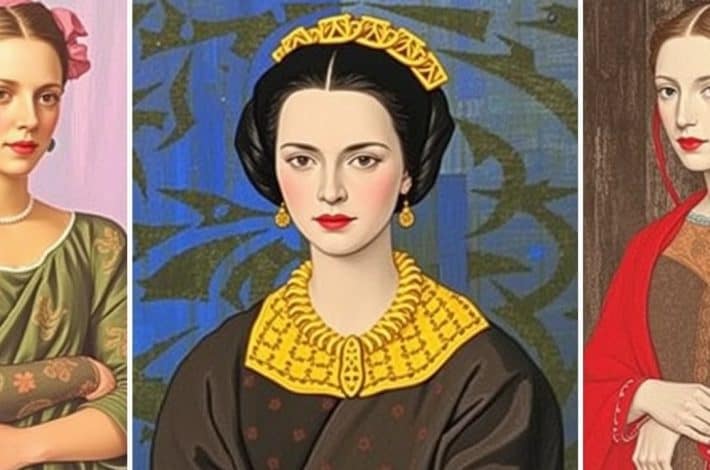
Throughout history, art has been a reflection of society, culture, and individual expression. However, for centuries, the art world has largely overlooked the contributions of women. Despite the enormous challenges they faced, such as limited access to formal training, social expectations, and institutional bias, many women artists broke barriers and redefined not only the meaning of Petardas, but also the course of art history. This article highlights some of the most influential women artists, explores the obstacles they faced, and examines their lasting impact on modern art movements.
Breaking Barriers: The Challenges Faced by Women Artists
For much of history, women were systematically excluded from professional art circles. During the Renaissance, most prestigious art academies were closed to women, and societal norms dictated that a woman’s place was in the domestic sphere. Many women artists had to rely on family connections or private tutors to pursue their craft.
In the 19th and early 20th centuries, women faced additional barriers. They were often denied the opportunity to paint certain subjects, such as nudes, which were considered essential for mastering human anatomy. Many female artists were forced to exhibit their work in women-only salons or remain in obscurity, regardless of their talent. Despite these obstacles, some women persisted and achieved international recognition, changing the way art was created and appreciated.
Artemisia Gentileschi: A Pioneer of Baroque Art
Artemisia Gentileschi (1593–c.1656) was a trailblazer in a male-dominated Baroque art world. Trained by her father, Orazio Gentileschi, she became known for her dramatic and realistic depictions of biblical and mythological heroines. Her works, such as Judith Slaying Holofernes, challenged traditional narratives by portraying women as powerful, assertive figures rather than passive victims.
Artemisia’s career was marked by both artistic achievement and personal struggle. She overcame the trauma of sexual assault and used her experiences to inform the emotional depth of her paintings. Today, she is celebrated as one of the first women to gain recognition in a field dominated by men and as an early feminist icon in art.
Frida Kahlo: Redefining Identity Through Art
Frida Kahlo (1907–1954) remains one of the most iconic figures in modern art. A Mexican painter known for her vivid self-portraits, Kahlo explored themes of identity, gender, pain, and political activism. Her unique style blended surrealism with Mexican folk traditions, creating a visual language that was intensely personal and universally resonant.
Kahlo’s work challenged societal expectations of women and celebrated female strength and resilience. Despite physical suffering from a severe bus accident and lifelong health problems, she continued to create provocative, emotionally charged art. Kahlo’s influence extends beyond the canvas; she has become a symbol of empowerment and self-expression, inspiring countless artists worldwide.
Georgia O’Keeffe: The Mother of American Modernism
Georgia O’Keeffe (1887–1986) played a pivotal role in shaping American modernism. Known for her large-scale paintings of flowers, landscapes, and abstract forms, O’Keeffe brought a new perspective to the natural world. Her ability to transform ordinary subjects into bold, almost abstract compositions revolutionized American art.
O’Keeffe faced skepticism from critics who often interpreted her work through a sexualized lens, reflecting broader gender biases in art criticism. Nevertheless, she carved out a unique artistic identity and became the first woman to have a retrospective at the Museum of Modern Art in New York. Her influence continues to inspire contemporary artists exploring abstraction and nature.
Louise Bourgeois: Exploring the Psyche Through Sculpture
Louise Bourgeois (1911–2010) was a French-American artist known for her provocative sculptures, installations, and drawings that explored themes of family, sexuality, trauma, and memory. Her iconic works, such as Maman, a giant spider sculpture, reveal deep psychological insight and a fearless approach to confronting personal experiences.
Bourgeois’s work challenged conventional notions of sculpture and introduced a deeply personal and feminist perspective to contemporary art. By exploring the complexities of the human psyche, she opened the door for future generations of women artists to engage with mental health, identity, and emotional vulnerability in their work.
Cindy Sherman: Deconstructing Identity and Media
Cindy Sherman (b. 1954) is an American photographer and conceptual artist renowned for her series of self-portraits in which she assumes multiple roles and personas. Through these photographs, Sherman critiques societal expectations of women, media representations, and the construction of identity.
Her groundbreaking work has had a profound influence on contemporary art and photography, encouraging viewers to question the authenticity of images and the cultural stereotypes they perpetuate. Sherman’s ability to merge performance, photography, and conceptual art has cemented her place as one of the most influential artists of the late 20th century.
Yayoi Kusama: The Queen of Polka Dots
Yayoi Kusama (b. 1929) is a Japanese contemporary artist whose work spans painting, sculpture, performance, and installation. Known for her immersive “Infinity Rooms” and signature polka dots, Kusama explores themes of obsession, repetition, and the infinite. Her art reflects both personal psychological experiences and universal human emotions.
Kusama faced significant mental health challenges throughout her life, which have deeply informed her artistic vision. Her fearless approach to art and life has inspired countless artists, demonstrating the power of perseverance and individuality in overcoming societal and personal obstacles.
Faith Ringgold: Storytelling Through Quilts
Faith Ringgold (b. 1930) is an African American artist, author, and activist celebrated for her narrative quilts. Combining painting, fabric, and storytelling, Ringgold addresses issues of race, gender, and civil rights. Her works, such as Tar Beach, merge visual art with literature, creating a multidimensional experience that educates and inspires.
Ringgold’s work has challenged traditional definitions of “fine art” by elevating textile arts and incorporating storytelling as a central element. Her innovative approach has influenced contemporary art, particularly in promoting the inclusion of marginalized voices and diverse cultural narratives.
Artemisia, Kahlo, and Beyond: How Women Transformed Art Movements
Women artists have not only created individual masterpieces but also significantly influenced broader art movements. From the Baroque intensity of Artemisia Gentileschi to the surrealist explorations of Frida Kahlo, women have expanded the boundaries of artistic expression.
In modern and contemporary art, female artists have reshaped movements such as abstract expressionism, feminist art, conceptual art, and installation art. Their perspectives challenge traditional narratives, question power structures, and emphasize lived experiences, enriching the art world with diverse voices and innovative techniques.
The Rise of Feminist Art
The feminist art movement, which gained momentum in the 1960s and 1970s, was a direct response to the underrepresentation and marginalization of women in the art world. Artists like Judy Chicago, Miriam Schapiro, and Ana Mendieta used their work to address gender inequality, social injustice, and the female experience.
Judy Chicago’s The Dinner Party, for example, celebrates the achievements of women throughout history and remains a landmark piece in feminist art. By highlighting women’s contributions and challenging patriarchal structures, feminist art has paved the way for greater inclusivity and recognition of women artists today.
Challenges Still Faced by Women Artists Today
Despite progress, women artists continue to face challenges. Studies show that women are underrepresented in major museum collections, exhibitions, and art auctions. Female artists often receive lower prices for their work compared to their male counterparts, and gender bias persists in art criticism and institutional recognition.
However, initiatives like the Guerrilla Girls, dedicated exhibitions, and increased public awareness are helping to address these disparities. Social media platforms also allow women artists to reach global audiences, democratizing access to art and enabling new forms of creative expression.
The Lasting Legacy of Women Artists
The contributions of women artists have fundamentally transformed the art world. Their resilience, innovation, and courage have expanded the possibilities of artistic expression and challenged long-standing societal norms. From pioneering Baroque painters to contemporary multimedia artists, women have shaped art history in profound ways.
By studying and celebrating these artists, we not only acknowledge their achievements but also inspire future generations of women to pursue their artistic visions. The legacy of women artists is a testament to the power of creativity, perseverance, and the transformative potential of art.
Conclusion
Women artists have consistently defied societal expectations and institutional barriers to leave an indelible mark on the art world. From Artemisia Gentileschi’s fearless Baroque compositions to Yayoi Kusama’s mesmerizing installations, their work demonstrates the depth, diversity, and innovation women bring to art. By recognizing and celebrating these trailblazers, we honor their contributions and ensure that the art world continues to evolve in a more inclusive and equitable direction.
The story of women in art is not just one of struggle but also of triumph, creativity, and resilience. Their influence continues to resonate, shaping both contemporary practice and future artistic possibilities.